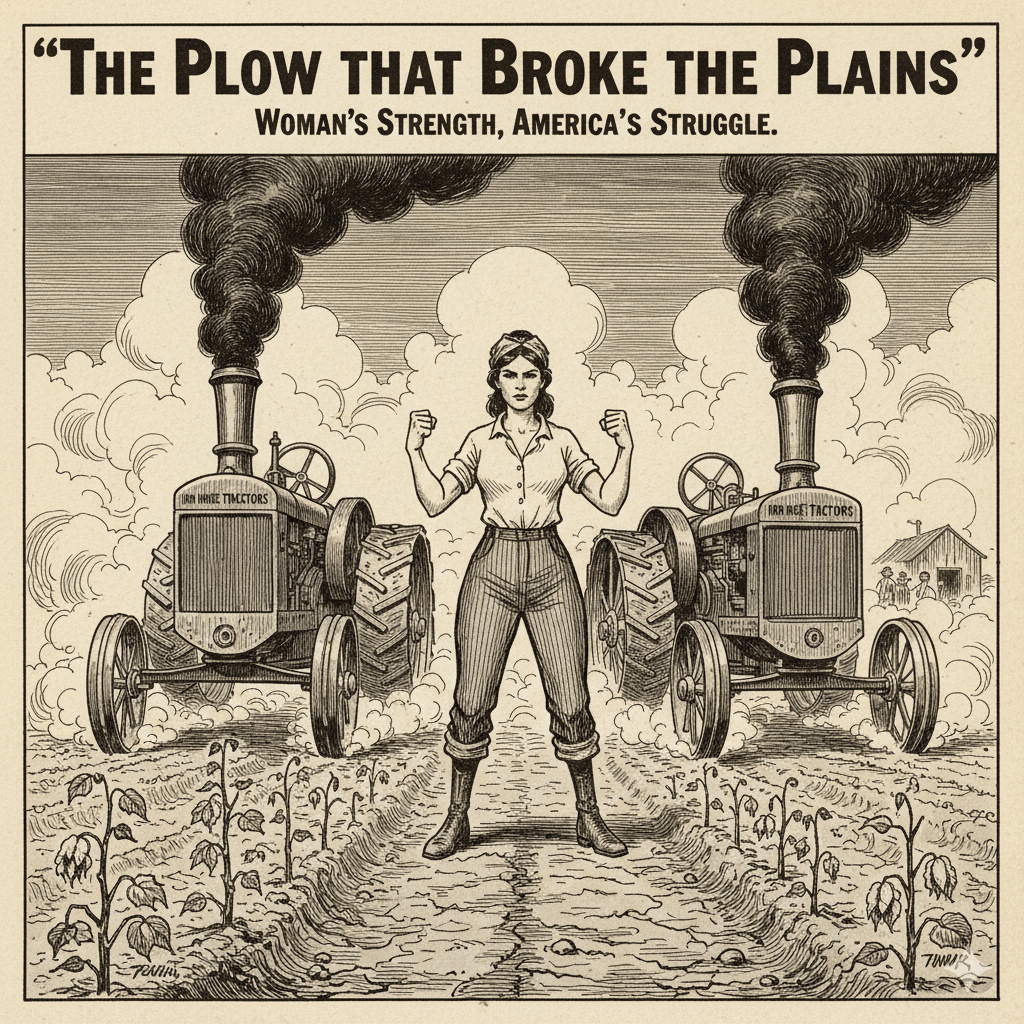
In my home state of Arkansas, the Democrats are “officially” challenging U.S. Sen. Tom Cotton. On paper, that challenger is Haley Schaffner, a 6th-generation farmer. I know this because she repeats it so often that it feels less like a biography and more like branding. One of my favorite pictures is of her, standing between two tractors that cost more than the average Arkansasan earns in a lifetime.
In practice, though, Cotton is once again running essentially unchallenged.
Let’s be honest: nothing about this campaign looks like it’s trying to win.
That has nothing to do with whether Tom Cotton is beatable. He is more vulnerable than he’s been in years. Nationally, Conservatives aren’t worried. Republicans are complacent. And based on what we’re seeing, even national Democrats appear to have already conceded.
I was at a recent town hall with Hallie, where someone suggested, “Maybe this race will be close enough to get the DNC’s attention.” In other words, Arkansas has shown up to the dance (again), only to be left standing by the punch bowl(again) while the party dances with more attractive states (again). It made me think of Hallie more like a placeholder whose only job is to ensure the party can say it showed up.
So the real question isn’t whether Cotton might lose (he’s a safe bet). The real question is, why bother? Why the show? It’s patronizing. Everyone knows it, but goes along with it. At this point, campaigning in red states is like living the movie “Groundhog Day.” If this were a substantive campaign with real momentum, it would look and feel very different. Instead, it appears cliché and pasted from the cautious, consultant-driven, and emotionally tone-deaf DNC playbook.
The Social Media Gap
Here is the deal. Campaigns are reality shows. Don’t believe me? Look at the reality show game show star president. You know—the guy whose nominees are all TV personalities. To win, candidates must react to unfolding events immediately. Definitely, not days later. I know Hallie has a marketing team, but to win, she needs to use her voice while events unfold. There is no doubt Dems love data. However, voters love something different. They love authenticity.
Authenticity requires vulnerability, transparency, and imperfection. I saw this in Hallie when she talked about regenerative farming in person. However, on social media and her marketing, what we see instead is posturing, hindsight commentary, and carefully managed absence. I get it. The book, “Rules of Power,” states that absence is a form of power, but so is being seen.
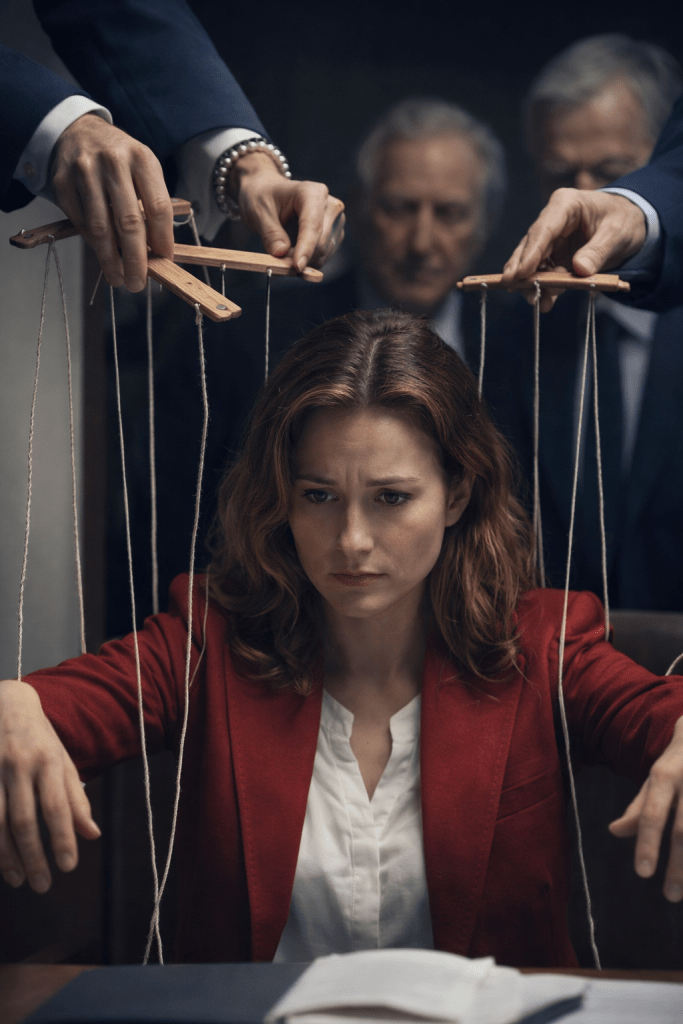
Winning requires repetition. Visibility. Being unmistakably there. I hadn’t heard of her before this race. I still don’t really know her. Most Arkansans don’t. Name recognition doesn’t come from polished press releases written by the consultant who had Nancy Pelosi on TV say, “Tic Tac Toe” as a dig at TikTok. When I first heard that, I said, “Ugh.” It deserves another one here, “ugh.” It comes from being loud, opinionated, and relentlessly present.
Missed Moments
Since January 1, we’ve seen escalating national rhetoric around Greenland and national security. We’ve seen a U.S. operation that effectively kidnapped a foreign president. We’ve seen a fatal shooting in Minnesota.
Now go look at her TikTok or Facebook feed.
During that entire stretch, there was no direct engagement with any of it.
The content includes things like MAGA commenters being rude on Breitbart because she is a threat. They said rude and mean things, as if this were her first day on the internet. MAGA is rude to everyone except Trump.
There are daily moments of chaos. To win, Hallie must show contrast. I know that is the goal of her polished statements. A better approach is to show her legitimate shock, horror, and outrage at the carnage caused by the current administration. The job at hand is to communicate compassion, sincerity, and stability in real time.
I want a calm America. What I see from Hallie is pre-scheduled content. That resembles brand maintenance. This messaging makes me wonder. What is the goal if not to win?
A Campaign Built for What?
I understand ambition, and I don’t fault Haley Schaffner for running. I am glad she is. However, this campaign feels like a vanity project or stepping stone. Of course, she will take the job if she wins. It feels more like a fight for a book deal, speaking fees, or a nonprofit leadership role. And, less like a fight for Arkansas.
Now, look, this doesn’t make her dishonest. Most people who want to win have those options in their mind as plan B. It is critical to understand that this makes the campaign instrumental for her, not for Arkansas. Arkansas voters deserve clarity, competition, and courage. When a campaign is a stepping stone, that should be acknowledged.
Campaign Karaoke
The campaign is cliché and paste Arkansas politics. Honestly, it reminds me of the Johnny Cash movie, when Johnny plays a song for a record producer. The executive chastises Johnny for playing a worn-out song. He then asks, “If you were lying on the street and had just one song left to be remembered by, is that the song you would pick?” Johnny says no, and plays an original (Folsom Prison Blues).
The current Democratic campaign is not bad. It is tired and needs to rest. It is something everyone’s already heard. That’s what this feels like. My dream? It is for her, or another candidate, to sing a new song.
Hallie talks about Arkansas farms and her generational connection to the land, but it’s a cover song. At best, it’s campaign karaoke. The words are familiar. The imagery is familiar, but the emotion feels borrowed. I heard her speak about issues at a meet-the-candidate event. She can be original and engaging if she permits herself.
We, the people, don’t want another cover song. We want a new song—an Arkansong. Ordinary people outnumber farmers by a wide margin, and Northwest Arkansas is far from agrarian. Candiates treat South Arkansas as if it doesn’t exist, especially southwest Arkansas. Sure, the numbers aren’t there, but the people there exist.
Each day is an opportunity for a Senate candidate to be original. People want normacy: safety, security, and stability. The status quo got us here politically, and it will keep us here. It is time to go beyond nostalgia, symbolism, and the status quo. We don’t need another Bill Clinton’s greatest hits album, but a new Arkansong that feels like now.
A Necessary Clarification
Let me be clear. I am not for Tom Cotton. As a senator, he is a dismal failure. The cultural warriors who thrive on Republican Fan Fiction will disagree. That’s okay, and they are wrong. I do not support his constitutional neglect and abandonment of checks and balances. Lastly, I don’t understand why he is submissive to a leader that is dismissive of him, our state, and decency.
If this race becomes meaningfully competitive. You know, to repeat what was said earlier, if the DNC pays attention to Arkansas. Shows up with real investment, urgency, and a plausible path to victory, I will vote for Haley Schaffner without hesitation. I may even donate.
But if this remains a symbolic run with no serious infrastructure and no intent to compete, I will vote for the candidate I believe will finish last.
That isn’t apathy. It’s strategy.
Why Last Place Matters More Than Closing the Gap
Arkansas Democrats are trapped in a destructive feedback loop. The message to the national party is always the same: “We lost, but we tried. It was closer than expected. We narrowed the margin.” And the response is always the same: polite applause, minimal funding, and redirected resources.
If I learned one thing from the recent “Well, we were close” platitudes, it isn’t democrat leverage. It is conservative dominance. Remember the recent shutdown? The president blamed the Democrats, and when Schumer capitulated, we got nothing. The president didn’t even acknowledge Schumer’s goodwill. He called him and the Dems weak.
Arkansas Democrats must understand: “Respectable” loses apply no pressure. Moral victories don’t move money. Only a clear defeat sends the DNC an unambiguous signal. In other words, the only way to mobilize resources effectively is make the loss too big to ignore. To regain seriousness, they must abandon the “almost.” In fact, the surest way to end the cycle is to make a loss so stark it cannot be rationalized away.
Talk about hard decisions. This would be to make the ultimate choice: build campaigns that compete to win, or concede that placeholder races are a dead end. There is no third path.
The Standard Going Forward
I don’t need perfection. I don’t need miracles. I need evidence of intent: serious fundraising, real-time engagement, Arkansas-specific policy choices. A campaign that looks like it’s trying to win, not audition for a better loss.
Until then, skepticism isn’t cynicism. It’s accountability. And accountability, unlike symbolism, is how parties actually change.
Even in Arkansas.
`
 McClure Magazine
Leave a comment